
- July 14, 2026
- Categories: Web Solutions
10 Ways to Generate Leads From a Website
Your website should do more than look attractive. It should help your business to connect with people who are interested in your products or services.
Many businesses spend more money on marketing but fail to convert visitors into enquiries. This is a major issue because research shows that users form an opinion about a website in just 0.05 seconds.
If you want to generate leads from a website, you need the right mix of content, trust signals, design and user experience.
This guide explains the most effective ways to achieve that goal.
Key Takeaways
- A website should do more than attract visitors. It should help generate qualified leads and support business growth.
- Search engine optimisation (SEO) helps bring relevant visitors to your website who are actively looking for solutions.
- Creating valuable content such as blogs, guides, and resource pages builds trust and improves search visibility.
- Clear website navigation makes it easier for visitors to find important information and take action.
- Strong calls-to-action (CTAs) guide users towards enquiries, consultations, downloads, or purchases.
- Contact forms should be simple, easy to complete, and placed strategically throughout the website.
- Social proof, including testimonials, reviews, case studies, and client logos, helps build credibility and trust.
- Fast-loading websites improve user experience, reduce bounce rates, and increase conversion opportunities.
- Dedicated landing pages with a single goal can significantly improve lead generation performance.
- Personalised content, chatbots, and interactive tools can increase engagement and encourage more enquiries.
- A/B testing helps identify which headlines, CTAs, forms, and page layouts deliver the best results.
- Industry-specific solution pages help businesses connect with their target audience more effectively.
- Transparent pricing and clear information help visitors make informed decisions and build confidence.
- Mobile-friendly design is essential because a large percentage of website traffic comes from smartphones and tablets.
- Tracking metrics such as conversion rates, form submissions, bounce rates, and lead quality helps measure success and improve performance.
- Businesses that continually improve content, user experience, trust signals, and website performance are more likely to generate leads from a website traffic consistently.
What Is a Lead Generation Website?
A lead generation website is designed to collect the contact details from customers. It encourages visitors to take action.
The main purpose is to turn new visitors into known prospects. This may happen through forms, calls or enquiries.
Every feature on the site should support the goal of generating leads from website traffic.
How Lead Generation Websites Work?
Lead generation websites attract visitors through search engines and social media platforms.
Visitors may read a blog, download a guide, request a quote or book a meeting. Each action moves them closer to becoming a lead.
A good website makes it easier to generate leads from website traffic by reducing the friction in the journey of a customer.
Key Elements of a Lead Generation Website
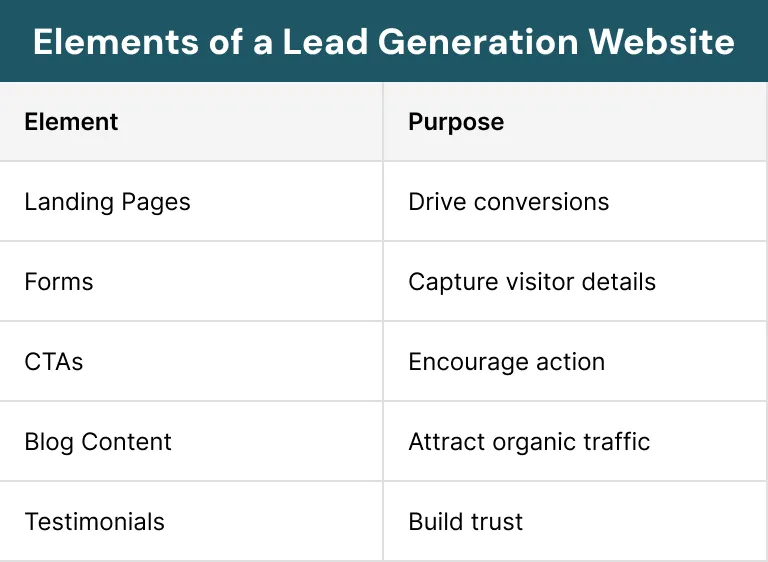
Some elements work together to improve website conversions. Each plays an important role to attract and convert the visitors.
These elements create a smooth journey from interest to enquiry. Without them, visitors often leave your website without taking any action.
1. Landing Pages
Landing pages focus on a single goal. They guide visitors towards a specific action. Unlike standard pages, they are designed for high conversion.
A strong landing page can help to generate leads from a website.
2. Contact Forms
Forms collect the info of visitors in exchange for value. This might be a consultation, quote, guide or product demo.
Short forms often achieve better completion rates. Visitors prefer simple and quick processes.
Well-designed forms help you to generate leads from a website traffic in a more effective way.
3. Calls-to-Action (CTAs)
CTAs help to tell visitors exactly what to do next. Examples include “Book a Demo” or “Request a Quote”.
Without CTAs, visitors may leave your website without taking any action. Strong CTAs help you to generate leads from a website.
Did You Know?
Websites with clear CTAs often achieve much better conversion rates than websites with weak or unclear instructions.
4. Blog Content
Blogs help to give answers to questions that customers search for online. This helps to attract visitors through search engines.
Useful content positions your business as an expert in the industry. It also builds trust with readers.
Many companies generate leads from a website traffic through blog posts that solve real problems.
“Content is king, but distribution is queen.”
— Jonathan Perelman
Best ways to generate leads from a website
Here are 10 ways to generate more leads from your website, which are given below:1. Optimise Your Website for Search Engines (SEO)
SEO helps your website to appear when people search online. This brings visitors who are actively looking for solutions.
Unlike random traffic, SEO visitors often have a specific need. This makes them more likely to convert.
Businesses that generate leads from a website traffic often rely heavily on SEO.
Conduct Keyword Research
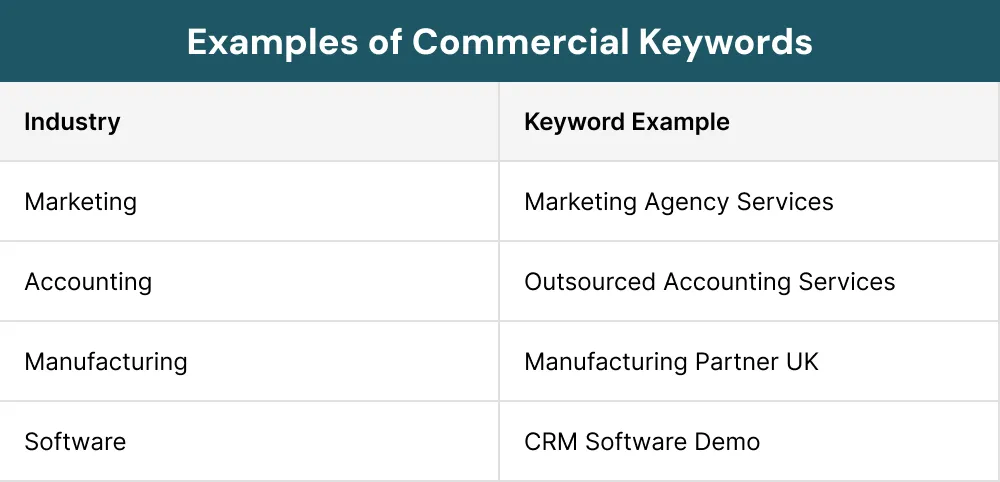
Keyword research helps to identify what customers search for. Not all keywords have the same value.
Keywords often attract visitors who are closer to making a purchase. These visitors are highly valuable.
Using the right keywords helps you to generate leads from a website.
2. Create Valuable Content That Attracts Potential Customers
Content helps people to find your website and trust your business. Good content must answer the question, solve problems and guide visitors towards taking action.
A business blog gives your website fresh content. It helps you to cover topics that matter to your audience.
Blog posts help to answer the common questions of a customer. This makes your business helpful for visitors.
Companies often generate leads from a website traffic through blog posts that attract the right visitors.
Pro Tip:
Publish content regularly. A consistent posting schedule helps search engines and readers return to your site.
Follow Google’s E-E-A-T Guidelines
Google values the content that shows experience, expertise, authority and trust. This is often called E-E-A-T.
Use real examples, right info and clear explanations. Show why your business understands the topic.
Strong E-E-A-T signals can help you to generate leads from a website traffic through better search visibility.
3. Improve Website Navigation and User Experience
Visitors should be able to find information quickly. Good navigation and user experience help to reduce the frustration and increase the conversions.
Navigation is the roadmap of your website. It helps visitors to understand where to go next.
Confusing menus can cause people to leave your site. Clear navigation helps you to generate leads from a website.
Organise Menus Around User Intent
Think about what visitors want when they reach your site. Place the menus around user needs.
For example, products, services, pricing and contact options logically. This helps to reduce the effort required to find info.
Optimise the Navigation for Mobile Users
Many people browse websites on phones. Navigation must work well on small screens. For this, you must use simple menus, large buttons and clear labels.
A mobile-friendly experience helps you to generate leads from a website.
4. Use Clear Calls-to-Action (CTAs)
CTAs help to tell visitors what to do next. Without clear instructions, many users leave the website without taking any action.
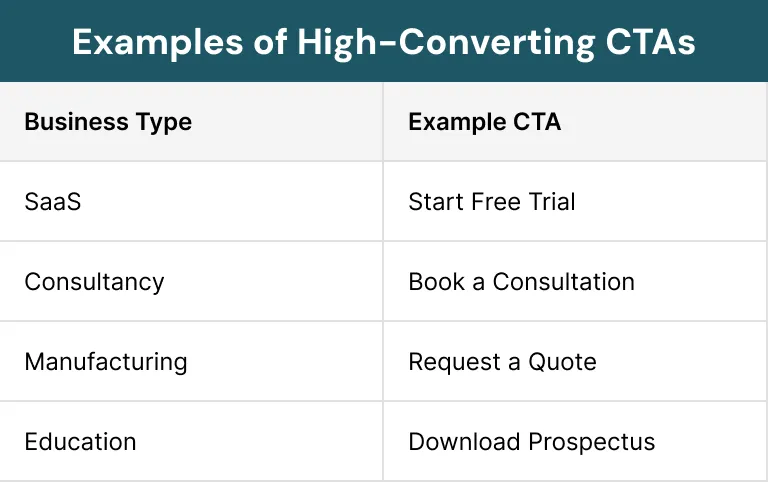
A strong CTA must be clear, direct and action-focused. Visitors should immediately understand the next step.
Words like “Book a Demo”, “Get a Quote” or “Download the Guide” work well. They help to explain the benefits and actions.
Effective CTAs help you to generate leads from a website traffic by encouraging the users to engage.
Pro Tip:
Testing different CTA messages can reveal which options help you to generate leads from a website traffic most effectively.
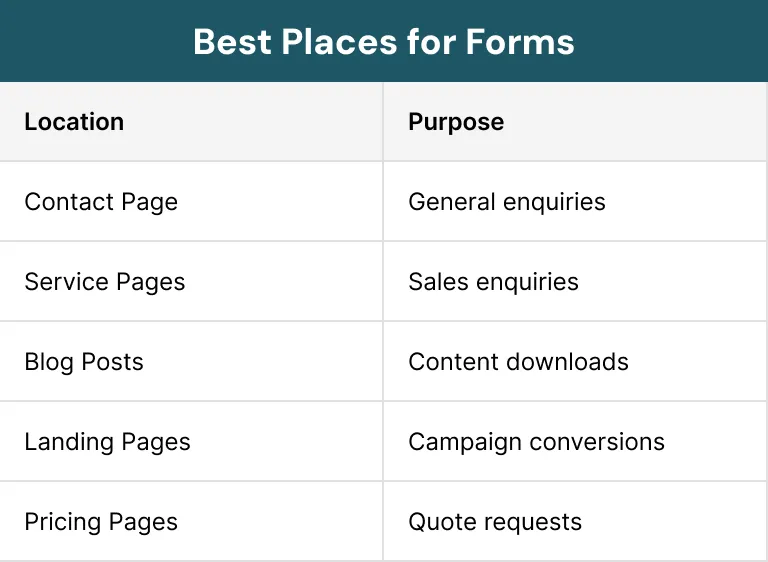
5. Add Contact Forms
Contact forms are one of the most important tools on a website. They help to turn visitors into potential customers.
A visitor may be interested in your service but not ready to call. A simple form gives them an easy way to make contact.
A good form strategy helps businesses to generate leads from a website traffic consistently.
Keep Forms Short and Simple
People prefer those forms that are quick to complete. Asking for too much info can reduce the submissions.
You must focus only on those details you truly need. This includes Name, email and a short message.
Pro Tip:
Remove any fields that are not essential. Every extra field can reduce completion rates.
6. Build Trust with Social Proof
Trust plays a key role in buying decisions. Visitors want evidence that shows your business delivers best results.
Social proof helps you to reduce risk and builds confidence. It shows that other customers have positive experiences with your product or services.
People often look at the opinions of others before making decisions. This behaviour is natural.
Positive feedback helps reassure visitors that they are making the right choice. It makes your business more trustworthy.
Strong social proof can help you to generate leads from a website traffic.
Showcase Case Studies and Success Stories
Case studies explain how your business solved the problem of a customer. They help to provide detailed proof of your expertise.
A good case study must include the challenge, solution and results. This helps visitors to see the value of your services.
Use Online Reviews and Ratings
Reviews from trusted platforms can help to influence the purchasing decisions. They provide opinions from real customers.
Display the review ratings where needed. Make them easy to find. Online reviews help you to generate leads from website visitors.
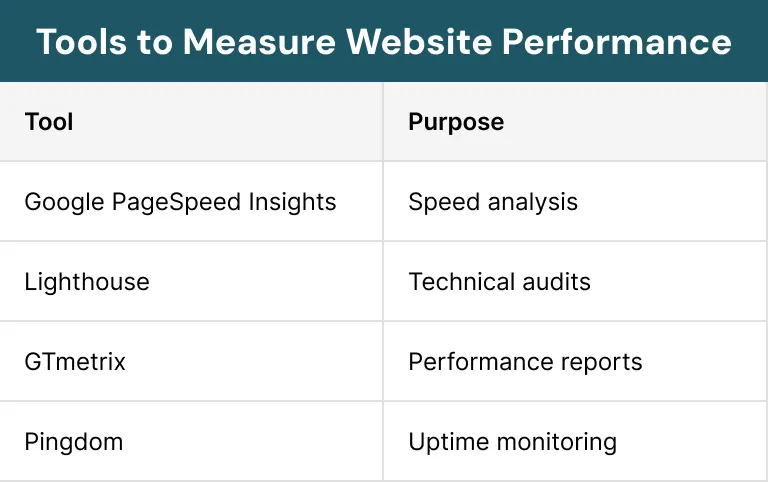
7. Improve Website Speed and Performance
Website speed affects both user experience and conversions. Visitors expect websites to load quickly.
A slow website creates frustration and often causes users to leave before taking any action.
Visitors may judge your business based on how quickly pages load. A fast website always feels trustworthy. A slow website can damage the confidence of a visitor.
Improving the speed of a website helps you to generate leads from it.
Reduce Page Load Times
Large files and unnecessary code make a website slow. Optimising these elements improves the performance of your site.
Compress the images and remove the outdated plugins. Small changes can give better results.
Pro Tip:
Test your website every month. Small issues can build up over time and affect conversions.
8. Create High-Converting Landing Pages
Landing pages are designed to achieve one specific goal. They help visitors to focus on a single offer without any distractions.
Unlike standard website pages, landing pages help to guide users towards one action. This could be booking a demo or requesting a quote.
An effective landing page must have a clear purpose. The page should include a strong headline, helpful content and a clear call-to-action. Every section should support the main goal.
Businesses that want to generate leads from a website traffic often rely on landing pages because they are built for conversion.
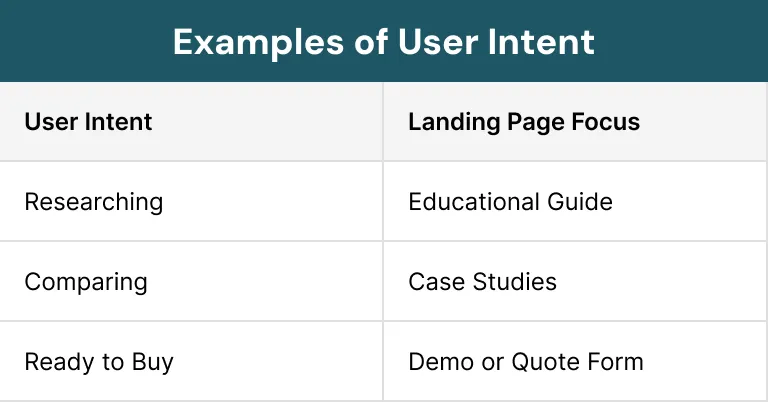
Match Landing Pages to User Intent
Different visitors have different needs. Some are researching, while others are ready to make a decision.
A page that gives answers of the visitors needs is more likely to convert.
9. Add Interactive Tools
Visitors now expect relevant experiences. Interactive tools make a website feel more useful.
It allows visitors to see content that matches their interests. This helps to create a more relevant experience.
These tools help you to understand the visitors and provide more targeted info.
Businesses that use these tools can generate leads from a website traffic in a more effective way.
“Make every interaction count, even the small ones. They are all relevant.”
— Shep Hyken
Implement Website Chatbots
Chatbots provide quick responses to common questions of the visitor. This helps visitors to get info without waiting.
They also help to guide users towards forms or sales conversations. This keeps visitors engaged.
Did You Know?
Visitors are more likely to stay on a website when they can get quick answers to their questions.
10. Test and Optimise Your Website
Website testing is an ongoing process. What works today may not work as well in the future.
Testing helps you to understand the behaviour of the visitor and improve performance over time.
What Is A/B Testing?
A/B testing compares the two versions of a page or element. This helps to identify the version which performs better.
Small changes can sometimes produce good improvements.
Case Study: Generate Leads From Website
The Problem
A small business had a website, but it was not getting enough inquiries from customers. Most visitors left their website without filling out the contact form.What They DO?
- Improved the SEO of website
- Added clear call-to-action buttons
- Made the contact form simple and easy to use
- Updated the website content with the right keywords
- Improved the speed of website and mobile experience
The Results
After 4 months the company gets these results: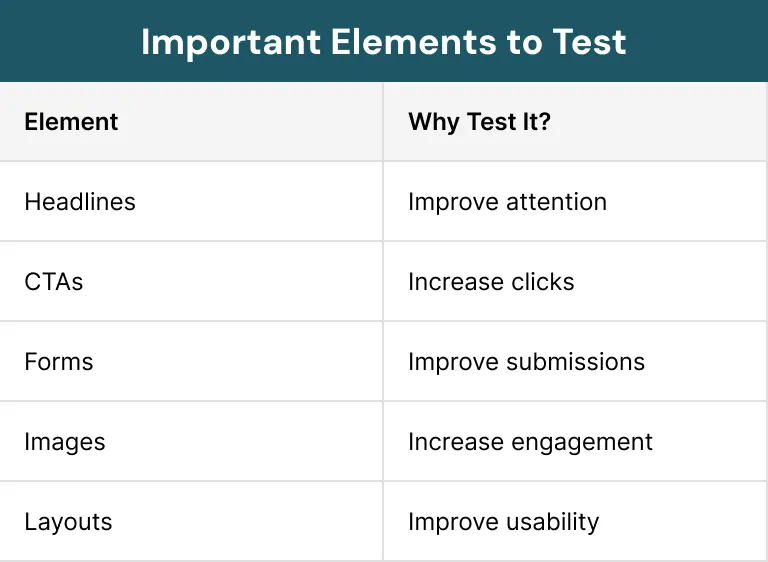
Conclusion
Generating leads from a website requires more than an attractive design. Success comes from elements like strong content, user experience, trust signals and clear calls-to-action.
Faster pages, better forms, stronger SEO and personalised experiences all contribute to better results. Small changes often create big gains over time.
By understanding the needs of a visitor and removing obstacles, your website becomes a reliable source of new opportunities for a business.
Want higher conversions and better website performance? Let Xoom Plus create a website strategy that attracts, engages and converts your ideal customers.
Struggling to generate consistent leads?
Contact us to generate more leads, increase conversions and grow your business online.
FAQs
How can I generate more leads from my website?
Focus on SEO, content marketing, strong CTAs, fast page speeds, and trust signals. These elements work together to improve conversions.
How to build a lead generation website?
Build a lead generation website by combining clear messaging, valuable content, strong CTAs, simple contact forms, SEO and trust signals that encourage visitors to become enquiries.
Why is SEO important for lead generation?
SEO helps attract visitors who are actively searching for solutions. This brings more qualified traffic to your website.
How do CTAs increase website conversions?
CTAs guide visitors towards a specific action. Clear instructions make it easier for users to take the next step.
How often should I update my website content?
Review content regularly and update important pages every few months. Fresh content supports SEO and improves user engagement.